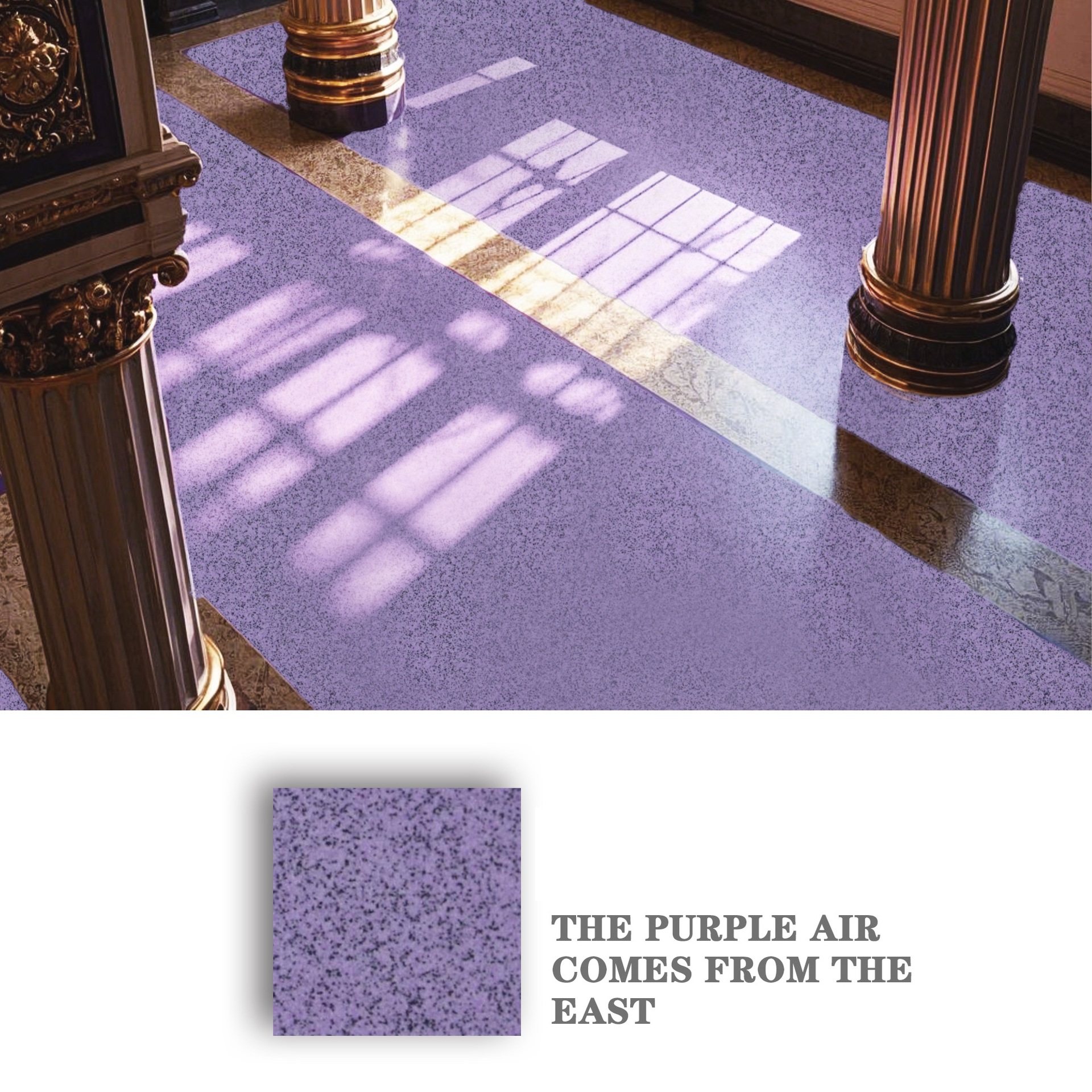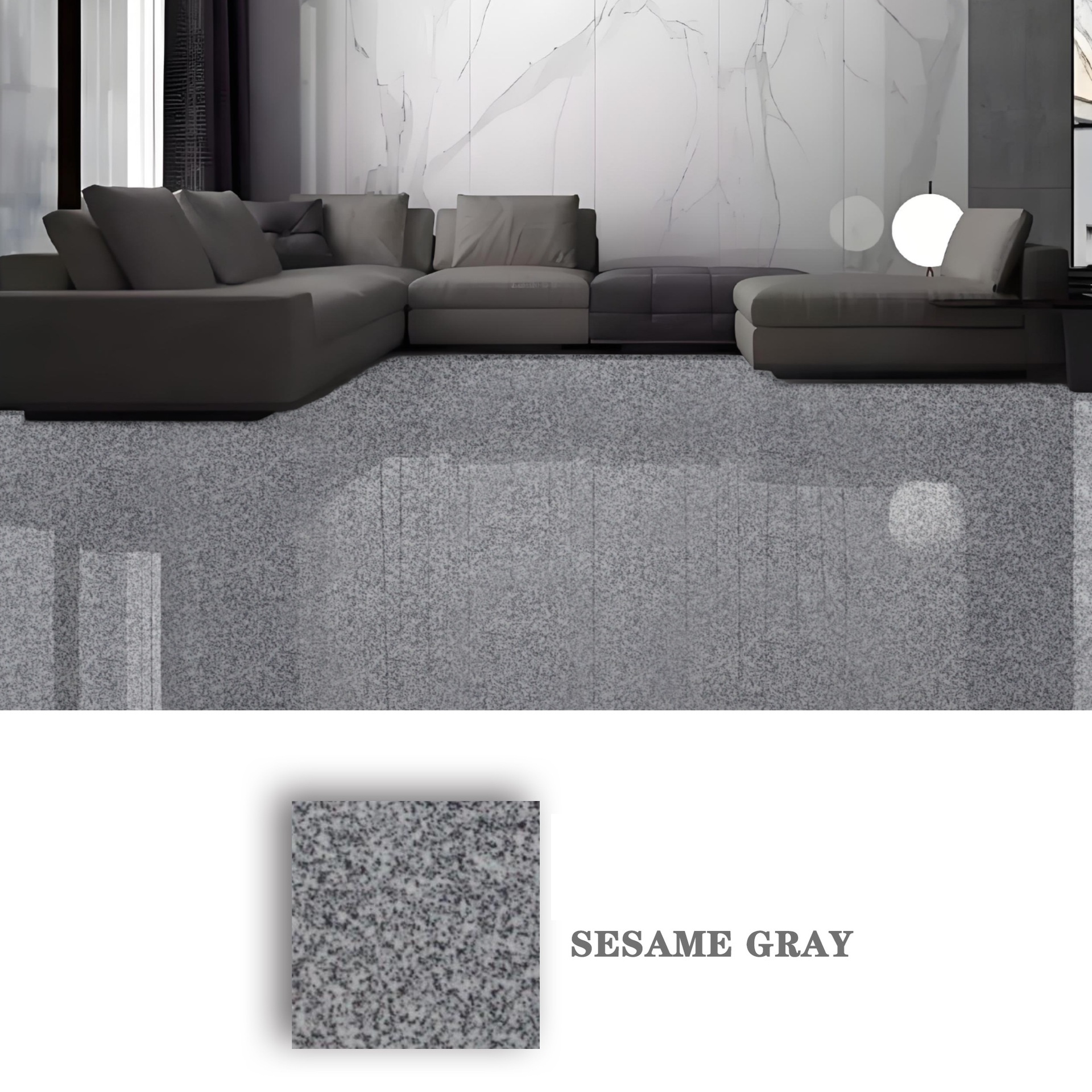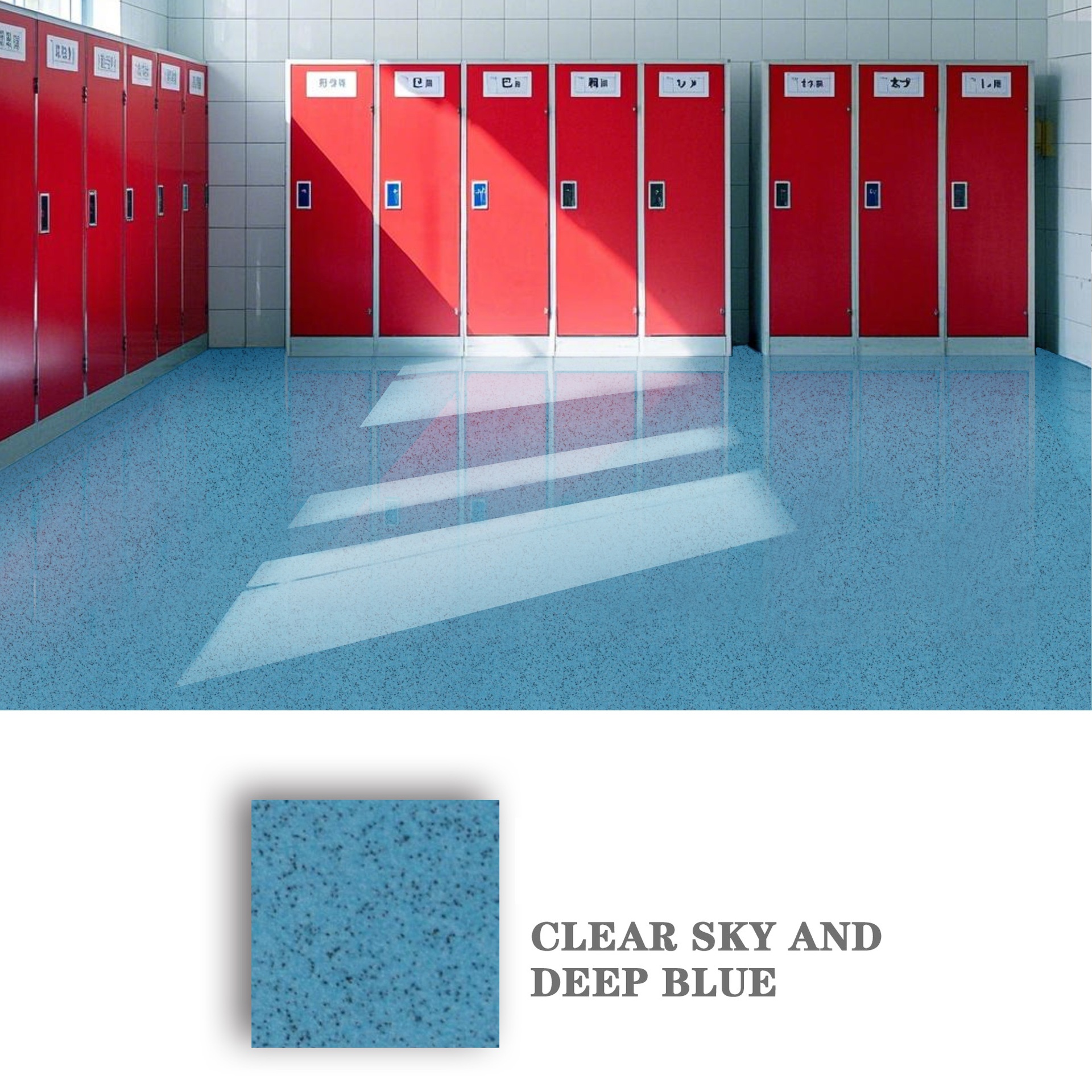
Driven by the dual efforts of the European Green Deal and the Clean Energy Plan of the United States, the global coatings industry is undergoing a transformation centered around "low-carbon environmental protection". As a fundamental material in both industrial and civilian fields, the environmental transformation of water-based epoxy concrete floor paint is particularly crucial. Data shows that in the industrial coatings market of the European Union in 2024, the proportion of water-based coatings has exceeded 45%. Among them, water-based epoxy resin floor paint leads the segmented field with an average annual growth rate of 18%, becoming the core solution to replace traditional oil-based products in the European and American markets.
European and American environmental regulations force industry upgrading
The European Union has implemented strict control over the VOC content in industrial coatings through the Industrial Emissions Directive and the Volatile Organic Compounds (VOC) Restriction Directive. For example, Germany stipulates that VOC emissions from floor paint must not exceed 50g/L, while France has tightened this standard to 30g/L. The US Environmental Protection Agency (EPA) dynamically monitors the carbon emissions of paint manufacturers through the Clean Air Act, and violators will face fines of tens of thousands of dollars per day. In this context, Sherwin Williams, a global coatings giant, will close its production line of oil-based coatings in Germany in 2024 and invest 120 million dollars to expand the Shanghai Waterborne Coatings R&D Center. Wu Zhonghua, its general manager in Asia, said: "Waterborne technology is the only way to break through environmental barriers in Europe and the United States."
Water based floor paint: a dual breakthrough in environmental protection and performance
Traditional oil-based floor paint uses toluene and xylene as solvents, and the VOC emissions during construction can reach 300-500g/L. However, water-based floor paint uses water as a diluent, and the VOC content can be reduced to below 10g/L, achieving almost zero pollution. Taking the EB series electron beam cured water-based paint launched by Xuanwei as an example, it adopts high-energy electron beam instant curing technology, with energy consumption only 3% of traditional thermal curing process, and the coating hardness reaches 4H, with a 30% increase in wear resistance. It has been applied to the water-based coating project of Shanghai Metro Line 13.
In terms of functionality, water-based floor paint achieves "one paint for multiple uses" through molecular structure design:
Moisture and impermeability: The unidirectional breathable membrane technology allows groundwater vapor to escape, avoiding the problems of bubbling and peeling caused by the accumulation of water vapor in traditional oil-based paints. It is particularly suitable for damp environments such as basements and parking lots.
Weather resistant and corrosion-resistant: By adding nano titanium dioxide, the coating's UV aging resistance time is extended to more than 5 years, and its acid and alkali corrosion resistance is improved by 20%, which can meet the requirements of harsh scenarios such as chemical workshops and food processing plants.
Safety and fire prevention: The ignition point of water-based systems is higher than 300 ℃, far exceeding the 100 ℃ ignition point of oil-based paints, greatly reducing the risk of fire during construction and use.
Oil floor paint: the 'last line of defense' for specific scenarios
Despite the rapid rise of water-based technology, oil-based floor paint still holds an advantage in some areas. Its solvent based formula can form a dense cross-linked structure, resulting in a coating hardness of over 6H and a 50% higher wear resistance than water-based paints. Therefore, it has become the preferred choice for high-strength use scenarios such as heavy machinery manufacturing and logistics warehousing. In addition, oil-based paint has stronger adhesion to untreated concrete substrates, which can reduce substrate treatment costs by more than 30% in old factory renovation projects.
However, the environmental drawbacks of oil-based paints are becoming a hindrance to their development. After the implementation of the EU Carbon Tariff (CBAM) policy, oil-based paint export companies are required to pay a carbon cost of 15-20 euros per ton of product, while water-based products can receive tax exemptions due to their low-carbon nature. California has legislated that from 2026 onwards, all public building projects must use water-based coatings, otherwise they will be disqualified from bidding.
Technological iteration: The "Bright Revolution" of water-based paint
For a long time, water-based floor paint has lacked aesthetic appeal due to its matte finish, which has limited its application in commercial spaces. In 2025, Xi'an Changfeng Flooring Co., Ltd. successfully developed the world's first glossy water-based epoxy topcoat through molecular chain reconstruction technology. This product has a glossiness of 85 degrees (the standard for oil-based paint is 90 degrees) and retains the environmentally friendly characteristics of water-based systems. It has been applied in the Xi'an SKP Shopping Center upgrade project. The company's R&D director pointed out, "By introducing self crosslinking acrylic ester, we have solved the problem of poor leveling of water-based systems, and plan to increase the market share of glossy water-based paint to 30% in the next three years
Market Outlook: Balancing Environmental Protection and Cost
Although the unit price of water-based floor paint is 15-20% higher than that of oil-based products, its comprehensive cost advantage is gradually emerging. Taking the 10000 square meter factory project as an example, the construction period of water-based paint is shortened by 2 days compared to oil-based paint, and there is no need to equip explosion-proof equipment and professional ventilation systems. Labor and equipment costs can be reduced by 25%. In addition, water-based paint waste can be treated as ordinary industrial waste, while oil-based paint waste needs to be entrusted to professional institutions for disposal, with a single processing cost of up to 5000 yuan.
According to Global Market Insights, the global water-based floor paint market is expected to expand at a compound annual growth rate of 9.2% from 2025 to 2032, with the European and American markets accounting for over 60%. With the acceleration of technology localization by giants such as Xuanwei and PPG, the performance gap between water-based and oil-based paints is narrowing at a rate of 15% per year, and a coating revolution driven by